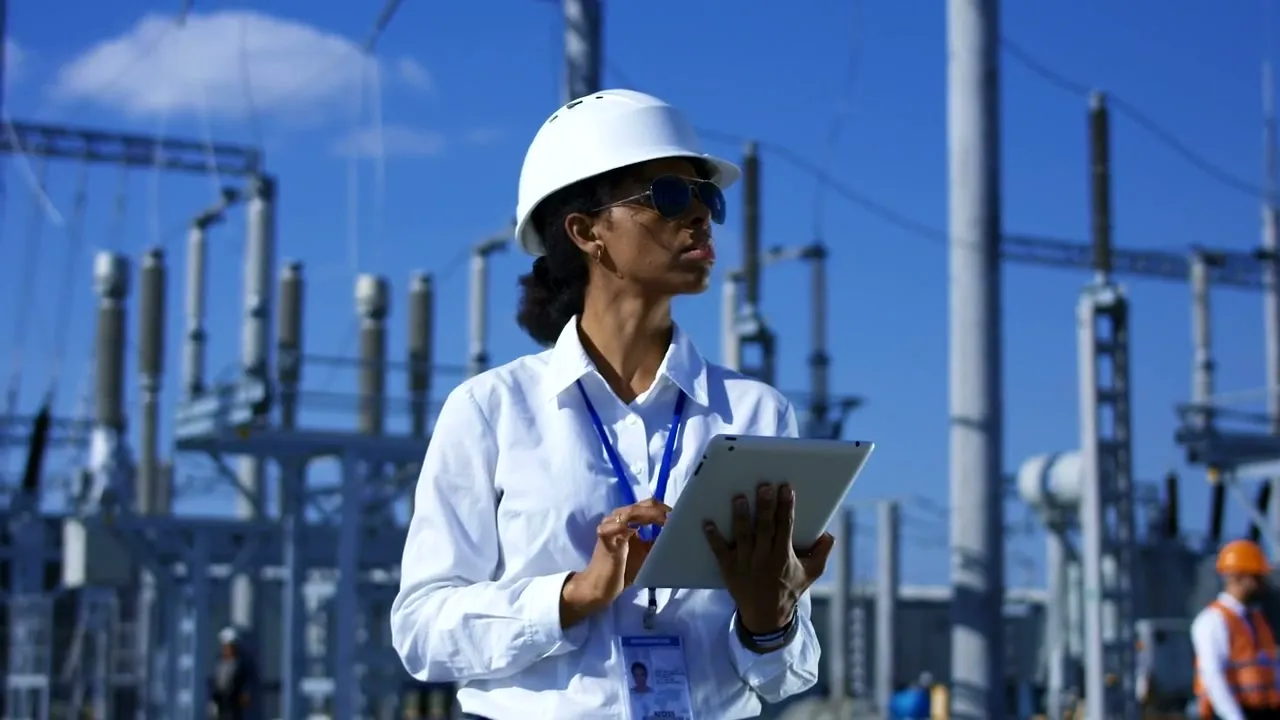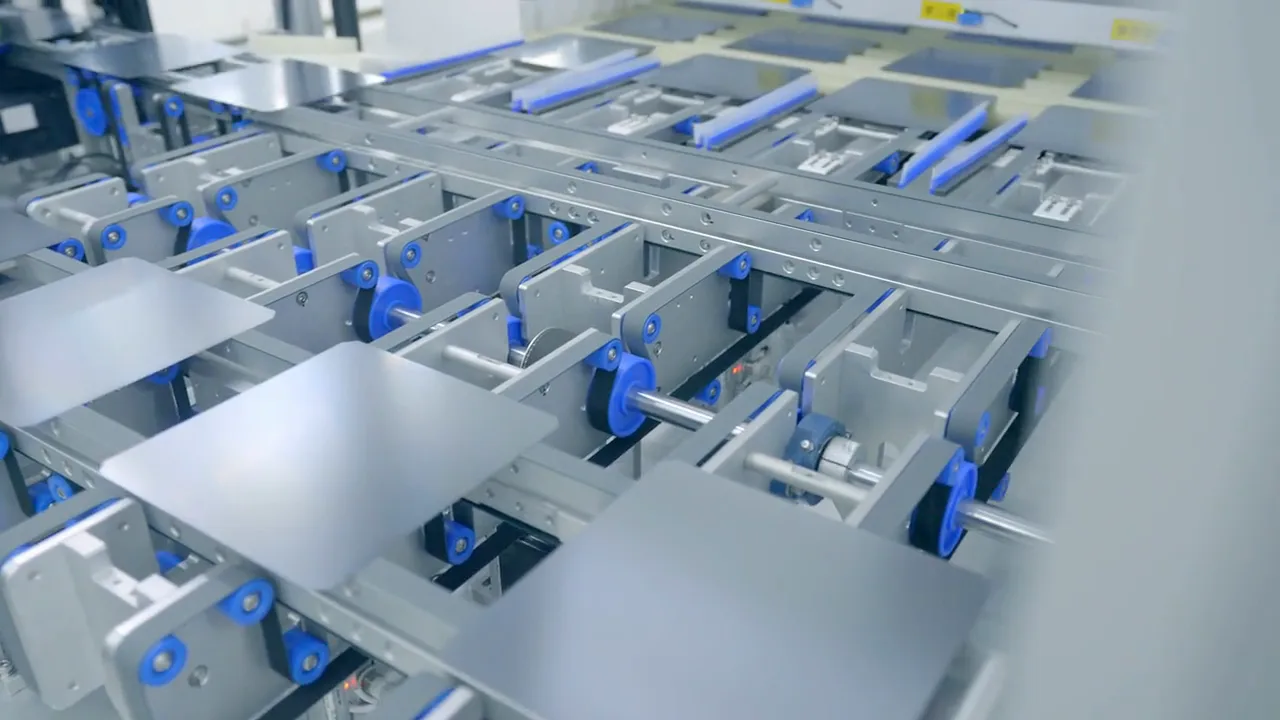
If you want a stable, well-paid, future-proof trade in Germany, Industriemechaniker, industrial mechanic, is one of the strongest bets on the board. It sits at the heart of German manufacturing: the people who build, assemble, maintain, and repair the machines that keep factories running. Demand is high, the training is paid, and the qualification is respected across the whole country.
This guide covers what the job involves, how the Ausbildung works, the pay and exam as of 2026, and, crucially for internationals, how to prove your aptitude before a workshop has ever seen you work.
What an Industriemechaniker does
An Industriemechaniker keeps industrial production running. Day to day that can mean:
- Assembling and installing machine components and production systems.
- Maintaining and repairing equipment to keep downtime low.
- Reading technical drawings and converting them into precise, physical parts.
- Measuring, testing, and quality-checking to tight tolerances.
- Working with both hand tools and computer-controlled (CNC) machines.
It is a hands-on, problem-solving role. The best Industriemechaniker are part craftsperson, part diagnostician, they can look at a stopped machine and reason their way to the fault.
Where the demand is
German industry, automotive, machinery, aerospace, energy, runs on skilled mechanics, and the workforce is ageing. That combination means consistent, nationwide demand across the manufacturers and industrial-processing plants that keep German production running. The shortage of skilled workers (Fachkräftemangel) is most acute precisely in technical trades like this one, which is good news if you are entering the field.
The Ausbildung route
You become an Industriemechaniker through a dual vocational training programme (Ausbildung) that typically lasts around three and a half years. It combines paid work in a company with classroom theory at a vocational school (Berufsschule). For a full breakdown of how the dual system works for internationals, see our Ausbildung in Germany guide.
The programme ends with a final examination set by the IHK (Industrie- und Handelskammer). The exam has both a written and a practical component, you have to show you can produce and assemble parts correctly, not just describe how. Pass it and you hold a nationally recognised qualification.
Pay and progression (as of 2026)
Training pay is legally floored by the Mindestausbildungsvergütung, the minimum training allowance set under the Berufsbildungsgesetz (BBiG) and recalculated each year by the BIBB (Bundesinstitut für Berufsbildung). For apprenticeships starting in 2026, that floor is:
| Training year | Legal minimum (2026 contracts) |
|---|---|
| Year 1 | €724 / month |
| Year 2 | €854 / month |
| Year 3 | €977 / month |
| Year 4 | €1,014 / month |
That is a legal floor, not a typical wage, most Industriemechaniker apprentices, especially at employers bound by a metalworking (IG Metall) collective agreement, are paid meaningfully more than this. Once qualified and working full time, salary varies by region, employer, and experience, but the trade is solidly paid relative to the cost of entry (no tuition, and you earn while you learn). Confirm the actual rate for your target employer and region with the IHK or the BIBB before you decide.
Progression is real, too. From Industriemechaniker you can move toward roles such as Industriemeister (master craftsperson / supervisor), technician (Techniker), or specialise further, each step lifting pay and responsibility.
Language and visa basics for internationals
The Berufsschule classes and the workshop both run in German, so plan for roughly B1 to B2 German before you start. Building the language early pays off. See learning German for your career.
Non-EU applicants will need an appropriate residence permit for vocational training, and there are skilled-worker and Opportunity Card routes that can apply once you have a confirmed place or qualification. Immigration rules are reviewed periodically, so always confirm the current criteria on an official German government source.
The challenge: proving practical aptitude before you are hired
Here is the bottleneck for international applicants. An Industriemechaniker role is about practical reasoning, reading a drawing, sequencing an assembly, holding a tolerance, diagnosing a fault. A workshop cannot tell from a CV whether you have that instinct. And you cannot yet point to a German reference.
The way around it is to demonstrate the reasoning itself. ProoV gives you real, company-style project briefs; you do the work, an AI evaluator scores it against a transparent rubric, and on a pass you earn a verifiable certificate you can show a Meister or HR manager. The how ProoV evaluates your project post explains the grading in full.
The ProoV vocational project: an Industriemechaniker (IHK) case study is built specifically around the kind of precision-manufacturing thinking the IHK exam tests, sequencing, tolerances, measurement, and structured fault-finding. Completing it gives you something rare for an international applicant: independent, checkable proof that you can already think like the role. Browse the ProoV project catalogue and finish it before your next application.
A practical preparation plan
- Confirm the trade is right for you. It rewards patience, precision, and curiosity about how machines work.
- Build German toward B1/B2 while you prepare.
- Build proof of your practical reasoning (see the section above) to produce a verifiable proof-of-aptitude certificate.
- Write a German-format application (Lebenslauf guide) and cite that proof directly.
- Apply to companies and chambers offering Ausbildung places, then sort the visa once you have an offer.
The four specialisations you can train in
The Industriemechaniker qualification is not one-size-fits-all. During the Ausbildung you specialise in one of four official areas (Einsatzgebiete) set by the IHK training ordinance, and choosing the right one shapes your whole career:
| Specialisation | Focus | Notes |
|---|---|---|
| Maschinen- und Anlagentechnik (machine and plant technology) | Building, installing, and commissioning machines and production lines | The broadest, most versatile path |
| Feingerätebau (precision-instrument construction) | Fine, high-tolerance work on instruments and small devices | Measurement and accuracy dominate |
| Instandhaltung (maintenance) | Keeping production equipment running, diagnosing faults, minimising downtime | Highly valued because every stopped machine costs money |
| Produktionstechnik (production technology) | Setting up, optimising, and running production processes at scale | N/A |
If you are unsure, the maintenance and machine-technology routes tend to offer the widest range of employers and the clearest progression. Whichever you pick, the underlying skill the IHK exam tests is the same: precise, structured, hands-on reasoning under real constraints.
What a typical day looks like
It helps to picture the work concretely. A maintenance-focused Industriemechaniker might start the shift reviewing which machines flagged faults overnight, work through a technical drawing to locate a worn component, machine or fit a replacement to tolerance, test the repaired line, and document everything before handing over. A production-focused one might spend the day setting up and fine-tuning a line to hit quality targets. The common thread is the loop of read the problem, plan the fix, execute precisely, verify the result, exactly the loop a good proof-of-skill project asks you to demonstrate.
Frequently asked questions
Is Industriemechaniker a good career for the long term?
Yes. It underpins German manufacturing, demand is structural rather than cyclical, and there is a clear progression ladder toward technician and master-craftsperson roles. The qualification is recognised nationwide and travels with you.
Do I need experience before starting the Ausbildung?
No prior professional experience is required to begin, the Ausbildung is the training. But showing aptitude helps you win a place, completing a graded vocational project (see the section above) is a concrete way to demonstrate you can already reason through the work.
How long does it take to qualify?
The Ausbildung typically runs about three and a half years, ending with the IHK final examination. Some applicants with relevant background may qualify for a shortened programme, confirm with the chamber.
What pay can I expect?
Training pay rises each year of the programme, the legal minimum for 2026 contracts runs from €724/month in year one to €1,014/month in year four (see the pay table above), and most apprentices at collectively-bargained employers earn more than that floor. Qualified mechanics are solidly paid for the cost of entry. Always verify current figures for your region on an official IHK or BIBB source, since they are adjusted annually.