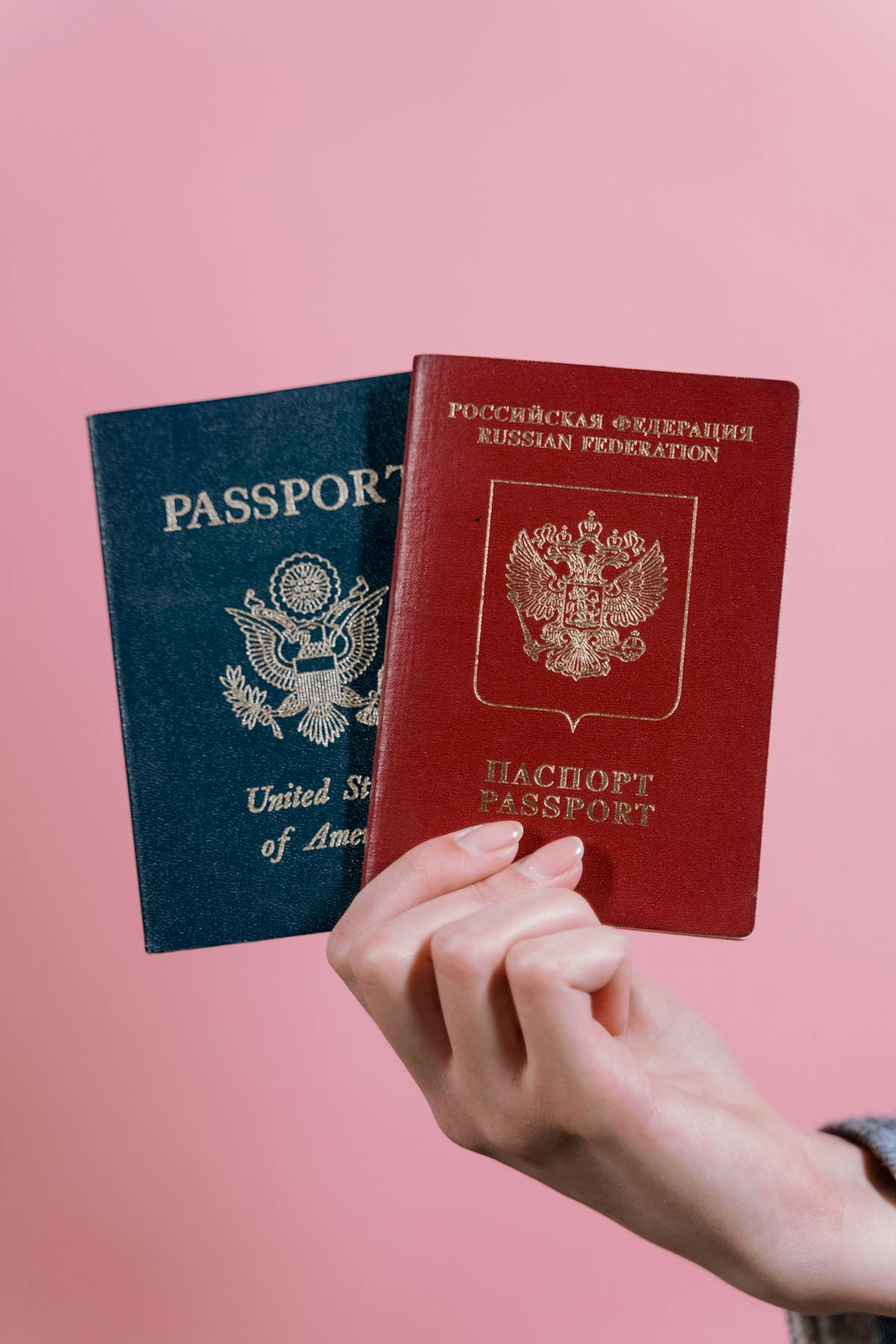
Moving to Germany for work rarely means moving alone. The family reunification (Familiennachzug) route lets a worker's spouse and children join them, and for many permits the spouse can work without restriction once they arrive. Getting this right matters as much as your own visa, because a smooth family move is often the difference between accepting an offer and turning it down. This 2026 guide explains who can come, what is required, and how the process runs.
What the dependent visa is
The dependent or family reunification visa allows close family members of someone legally residing and working in Germany to join them and live there. It is tied to the primary holder's status, so the rights and ease of the process depend on which permit the worker holds. Holders of an EU Blue Card, for example, generally enjoy the smoothest family reunification.
Who can join you
The core eligible family members are:
- Your spouse or registered partner.
- Your minor children, and in defined circumstances the minor children of your spouse.
Bringing other relatives, such as parents, is possible only in narrow, exceptional cases and is not the standard route. The reunification system is built around the nuclear family.
The requirements
To bring your family you generally need to show:
- Adequate living space for the family in Germany.
- Sufficient income to support everyone without relying on public funds. Holders of strong permits like the Blue Card often face lighter scrutiny here.
- Valid health insurance covering the joining family members.
- Proof of the relationship, such as marriage and birth certificates, with certified translations where needed.
For spouses, a basic level of German (commonly around A1) is often required before joining, though notable exceptions apply, including for some Blue Card holders. Confirm the current language rule for your situation on Make it in Germany or the Federal Foreign Office, as it varies by permit and is reviewed over time.
The spouse work-rights advantage
Here is a benefit that surprises many applicants: when your family joins you, your spouse can generally take up employment in Germany without a separate work permit, particularly under the Blue Card and most skilled-worker routes. This effectively turns one job offer into a two-income household, which transforms the financial case for relocating.
It also means your spouse becomes a job seeker in the German market in their own right, and the same rules of the game apply to them. Which leads to a point worth making for the whole household.
When both partners are looking for work
If your spouse intends to work, they face the same challenge any applicant from abroad faces: convincing a German employer to choose them when their past work is hard to verify. German recruiters reward demonstrable, verifiable competence over claims, and a recruiter cannot confirm a CV bullet the way they can confirm a completed, independently graded project.
That is the gap ProoV projects close for both of you. You each complete real-data, AI-evaluated projects and earn certificates a hiring manager can independently check. A spouse arriving with a finished ProoV data-analytics project: a Bosch case study or ProoV data-driven management project: an FC Barcelona case study on their record has evidence of skill ready before they even land, which shortens the job search the family is counting on. You can browse the ProoV project catalogue to find projects in each partner's field, and it is free to create a free ProoV account.
For the broader job-search playbook your spouse can follow, see how to get a job in Germany from abroad.
The application process
- Establish the primary holder's status. The worker should have, or be in the process of obtaining, their residence permit.
- Gather relationship and supporting documents for each joining member, with certified translations.
- Meet the spouse language requirement where it applies.
- Apply at the German mission in the family's home country for the reunification visa.
- Attend the appointment, submit biometrics, and pay the fee.
- Travel and register in Germany, then convert to the appropriate residence permit at the local foreigners' authority.
As always, checklists vary by consulate, so confirm the exact requirements with the German mission responsible for your region.
Timing and planning
Family reunification can run in parallel with or shortly after the worker's own move. Many families choose to have the primary holder settle first, secure housing, and then bring the family once living arrangements are confirmed. Plan for document procurement and any language preparation to take time, and factor processing into your overall relocation timeline. Our guide to permanent residency in Germany after work shows how the family's status evolves over the longer term.
Settling in as a family
A successful family move is not finished when the visa is stamped. Children need school places, the family needs registered housing (the Anmeldung), and both adults usually need to navigate health insurance, tax registration, and banking in their first weeks. Building a short checklist for these practical steps before you arrive prevents a stressful first month. Many of these processes also require certified German documents, so carry extra certified copies of marriage and birth certificates.
It also helps for the whole household to understand the working culture they are joining. German workplaces value directness, reliability, and structured thinking, and a spouse entering the job market benefits from the same preparation the primary earner did. Our guide to what German employers look for applies to both partners, and the broader in-demand jobs in Germany for 2026 roundup helps a job-seeking spouse target fields where hiring is strongest. Pairing that with verifiable proof of skill from a completed ProoV project gives a newly arrived spouse a faster, more confident start.
Frequently asked questions
Can my spouse work in Germany on a dependent visa?
Generally yes. Spouses joining a worker, particularly under the EU Blue Card and most skilled-worker permits, can usually take up employment without a separate work permit. This often makes the relocation a two-income move. Confirm the current conditions for your specific permit.
Does my spouse need to speak German to join me?
Often a basic level (commonly around A1) is required before joining, but there are notable exceptions, including for some EU Blue Card holders. The rule varies by permit and is reviewed over time, so verify the current requirement for your situation on official sources.
Which family members can join me in Germany?
The standard route covers your spouse or registered partner and your minor children. Bringing other relatives, such as parents, is only possible in narrow, exceptional circumstances. The system is built around the nuclear family.
What do I need to prove to bring my family?
Typically adequate living space, sufficient income to support the family without public funds, valid health insurance, and proof of your relationships through certified documents. Holders of strong permits like the Blue Card often face lighter income scrutiny.